
TL;DR
Progress online often didn’t start until I treated it like something that mattered. Not by working more hours, but by showing up consistently and taking it seriously. That shift didn’t lead to instant income, but it did lead to steady progress — which is what eventually matters.
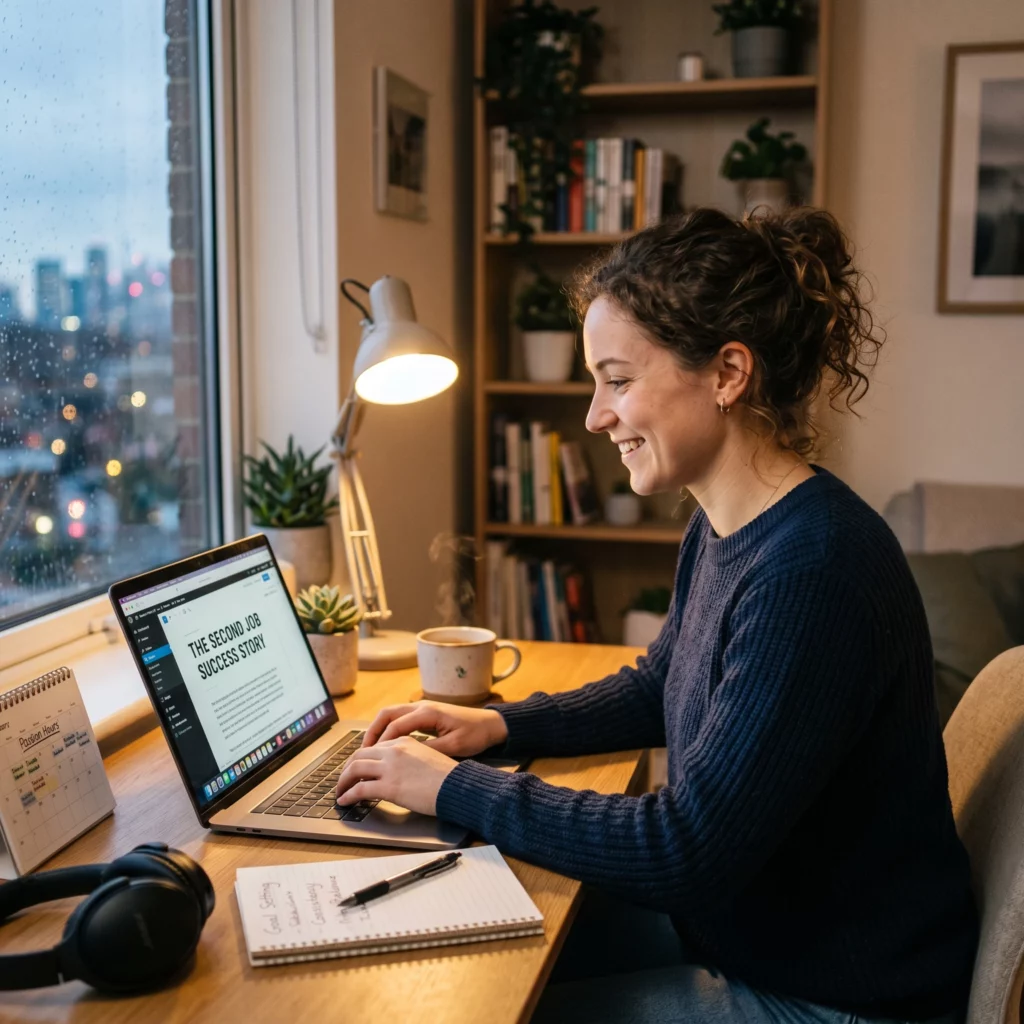
Why Treating This Like a Second Job Changed Everything
For a long time, I approached this like something I would get to “when I felt like it.”
There was interest.
There was curiosity.
There was even a bit of excitement.
But there wasn’t consistency.
And without consistency, nothing really moved.
What My Earlier Approach Looked Like
Looking back, the pattern was pretty clear.
I would:
- start with a burst of motivation
- research different ideas
- make a bit of progress
- then drift away when life got busy
At the time, it didn’t feel like I was doing anything wrong.
It just felt like I hadn’t found the “right thing” yet.
What Changed (And Why It Mattered)
The shift wasn’t dramatic.
I didn’t suddenly start working long hours or pushing myself harder.
I simply started treating this like something that mattered.
That meant:
- setting aside regular time
- sticking to one direction
- continuing even when progress felt slow
It wasn’t about intensity.
It was about consistency.
This Isn’t About Hustle
Treating something like a second job can sound intense.
But that’s not what this means.
It’s not about:
- working every spare hour
- burning yourself out
- forcing productivity
It’s about:
- showing up regularly
- giving your attention to one thing
- treating it as something worth building
That’s a very different mindset.
Why My “Younger Self” Struggled With This
If I’m honest, I wasn’t always in the right place to do this properly.
Earlier on, it felt like:
- something interesting to try
- something that might work quickly
- something I could dip in and out of
There wasn’t a bigger reason behind it.
And without that, it was easy to lose focus.
Why It Feels Different Now
The difference now isn’t just time — it’s perspective.
There’s a clearer reason for doing this.
For me, it’s about:
- building something for the future
- creating a bit more security
- not feeling like I’m always starting over
It’s not urgent.
But it is important.
And that makes it easier to stay consistent.
What This Changed in Practice
Once I started approaching this differently, a few things shifted.
I:
- stopped jumping between ideas
- focused on building one thing properly
- accepted that progress would be gradual
That’s when things started to move.
Not quickly.
But steadily.
How This Connects to Real Progress
This mindset ties directly into what progress actually looks like online.
It’s not about immediate income.
It’s about:
- showing up consistently
- building content over time
- seeing small signals that things are working
If you’re in that stage, it can feel like nothing is happening.
But often, this is where the most important work is being done.
Where Structure Helped Me Stay Consistent
One thing that made this easier was having a clearer path.
Instead of constantly figuring out what to do next, I had a structure to follow.
That’s something I found through Wealthy Affiliate — not as a shortcut, but as a way to remove some of the uncertainty.
If you’re curious what that path actually looks like, the WA Path breaks it down step by step.
A More Realistic Way to Think About It
Treating this like a second job doesn’t mean turning it into pressure.
It means:
- giving it a place in your routine
- taking it seriously enough to be consistent
- understanding that results come later
It’s a quieter approach.
But it’s also the one that tends to last.
FAQ
Do you need to treat this like a full-time job to succeed?
No. Many people build online income part-time. Consistency matters more than the number of hours.
What if I don’t have much time?
Even a few hours a week can be enough if used consistently. The key is showing up regularly.
Why didn’t progress happen earlier?
In many cases, it’s not about ability — it’s about consistency. Without regular effort, it’s difficult to build momentum.
Is this approach sustainable long-term?
Yes. Because it avoids burnout and focuses on steady progress, it’s more sustainable than short bursts of intense effort.