
TL;DR
As my Pinterest strategy evolved, I had to decide what to do with the large amount of existing pins and content I had already created. Instead of deleting everything and starting over, I chose to gradually layer the new direction over the original style while keeping the overall identity of the site consistent.
Evolving My Pinterest Style Without Starting Over
Once the newer Pinterest strategy started taking shape, I quickly ran into another challenge.
What should I do with all of the older pins and content I had already created?
By that stage, I had already invested a significant amount of time building articles, Pinterest boards, templates, and supporting graphics around the original direction of the site.
Completely deleting everything and starting over didn’t feel practical — or necessary.
Realising the Older Content Wasn’t Wrong
One of the important things I realised during this process was that the older style of content wasn’t actually bad.
The issue was more about balance and discoverability.
Many of the earlier articles and pins leaned heavily into reflection, atmosphere, and broader ideas.
That style still aligned well with the identity of The Layered Traveller.
The problem was that I had unintentionally relied too heavily on that style before creating enough accessible “entry point” content around it.
In other words, the reflective content probably works better once readers already understand the site.
Choosing Evolution Instead of Replacement
Rather than abandoning the earlier work, I decided to evolve the strategy gradually.
The newer content would focus more heavily on:
• clearer hooks
• beginner-friendly framing
• practical travel questions
• stronger discoverability
At the same time, I continued scheduling many of the older pins and articles instead of discarding them.
This allowed the site to evolve naturally without feeling like two completely different projects stitched together.
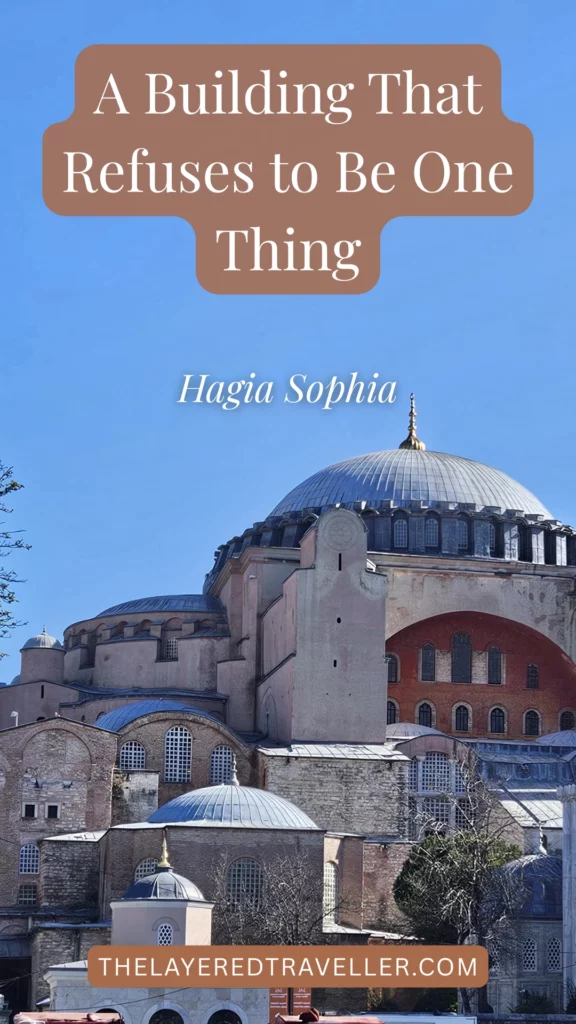
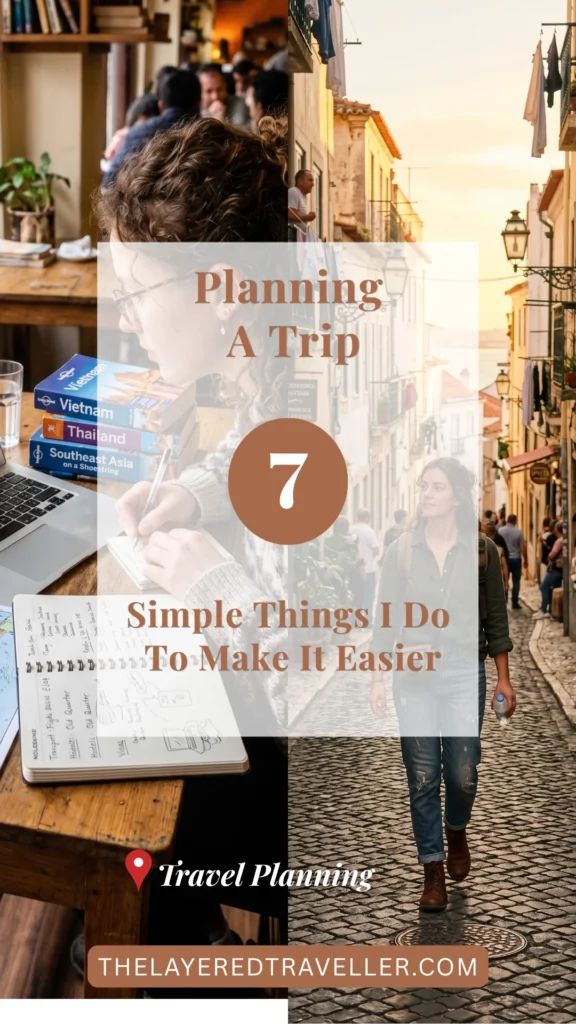
Keeping a Consistent Visual Identity
One of the most important parts of this transition was maintaining a consistent visual identity across both the old and new styles.
Even though the newer pins became more structured and direct, I intentionally kept elements such as:
• fonts
• colours
• overall branding style
• the Layered Traveller footer design
consistent across both approaches.
This helped ensure that the newer content still felt connected to the original personality of the site.
Creating Two Different Layers of Content
Over time, I started thinking about the site as having two complementary layers.
Entry Content
More accessible articles and pins designed to attract new readers through search and social platforms.
Depth Content
More reflective and layered pieces that readers might explore once they were already engaged with the site.
That distinction helped me stop viewing the older style as a mistake.
Instead, it simply became part of a broader content ecosystem.
Letting the Site Evolve Naturally
One of the things I wanted to avoid was creating a sudden “hard pivot” that erased everything that had already been built.
Instead, I wanted the transition to feel gradual and natural.
The older and newer styles now exist alongside each other, with the newer direction slowly becoming more dominant over time.
That approach feels much more sustainable than constantly rebuilding the project from scratch every time a strategy changes.
What Comes Next
As the content and Pinterest strategy became clearer, I also started paying more attention to short-form video.
At first, I delayed getting started because the idea felt overwhelming.
But eventually, I realised the simplest approach was just to begin.
Next article:
→ Starting Reels After Almost Avoiding Them