
TL;DR
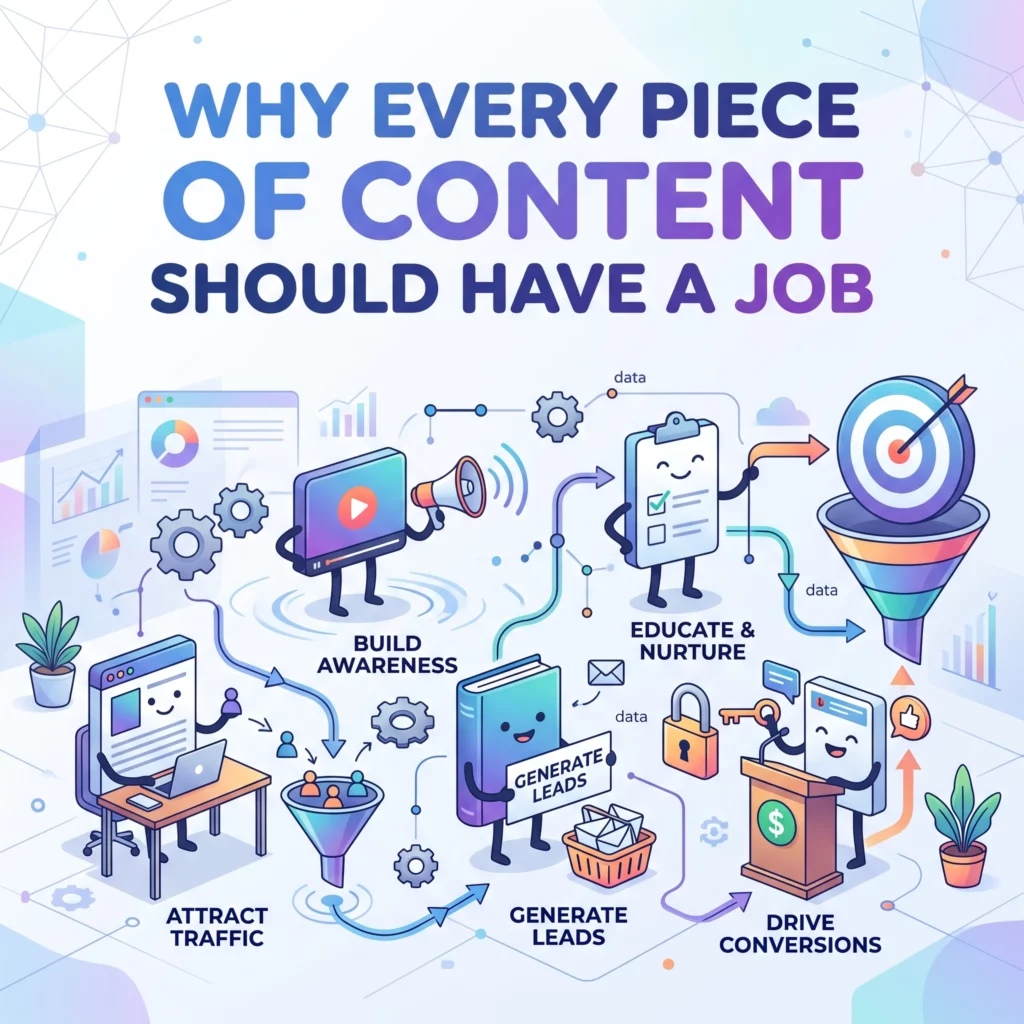
Not every article on your website needs to do the same thing. Some attract new readers, some answer questions, some build trust, and others help people make decisions. Once I started giving each piece of content a clear job, planning my website content planning became much simpler.
I Used to Think Every Article Had to Do Everything
When I first started writing, I put a lot of pressure on every article.
I wanted each one to:
- rank well
- attract readers
- build trust
- generate affiliate income
- answer every possible question
That was a big expectation for a single piece of content.
Over time, I realised that wasn’t how good websites actually work.
Different Articles Solve Different Problems
Eventually, I started thinking differently.
Instead of asking:
“Is this a good article?”
I began asking:
“What job is this article trying to do?”
That simple question changed almost everything about how I planned content.
Some Articles Help People Discover You
These are often the first articles someone reads.
They answer broad questions like:
Their job isn’t necessarily to convince someone to buy anything.
Their job is simply to help people discover your website.
Some Articles Build Trust
Other articles exist for a different reason.
They share:
- personal experiences
- lessons learned
- mistakes
- observations
These articles help readers understand the person behind the website.
They often don’t generate immediate sales.
But they make every other article more believable.
Some Articles Help People Make Decisions
Eventually, readers reach a point where they’re comparing options.
That’s where:
- reviews
- comparisons
- decision guides
become important.
These articles answer questions like:
- Is this right for me?
- Which option fits my situation?
- What’s the difference?
They naturally sit later in the reader’s journey.
Some Articles Support Everything Else
One thing I didn’t appreciate early on was the value of supporting articles.
Some pieces exist to:
- answer smaller questions
- strengthen internal links
- expand a broader topic
- connect ideas together
They may never become the most visited page on the website.
But they make the rest of the site stronger.
The Website Started Feeling More Organised
Once every article had a purpose, content planning became much easier.
Instead of wondering:
I started asking:
- What question haven’t I answered?
- What article needs more support?
- Where is the next natural step for the reader?
The website gradually became less like a collection of posts…
…and more like a connected system.
This Changed the Way I Measure Success
Some articles will naturally attract more visitors.
Others might quietly guide readers towards another page.
Some simply make the website easier to understand.
I’ve stopped expecting every article to succeed in exactly the same way.
As long as it’s doing its job, it’s contributing to the bigger picture.
A Better Way to Plan Content
Now, before I start writing, I ask one simple question:
“What job is this article going to perform?”
Sometimes the answer is:
- attract
- teach
- reassure
- compare
- support
- convert
Knowing that answer makes writing much easier.
Because the purpose is already clear before the first sentence is written.
FAQ
Does every article need to make money?
No. Many articles exist to educate, build trust, answer questions, or support other content. Those roles are just as important in a healthy website.
What are the different jobs an article can have?
An article might attract new readers, answer specific questions, build trust, compare products, support pillar content, or help readers make informed decisions.
Why is this helpful when planning content?
Giving each article a clear purpose makes it easier to decide what to write and how it fits into the rest of your website.
Can one article have more than one job?
Yes, but it usually helps if one purpose is the primary focus. That keeps the article clearer for both readers and search engines.