
TL;DR
At one point, I realised my travel website had become too difficult for new readers to “enter”. I had focused so much on building atmosphere and identity that I drifted away from the more accessible content style that originally inspired the project.
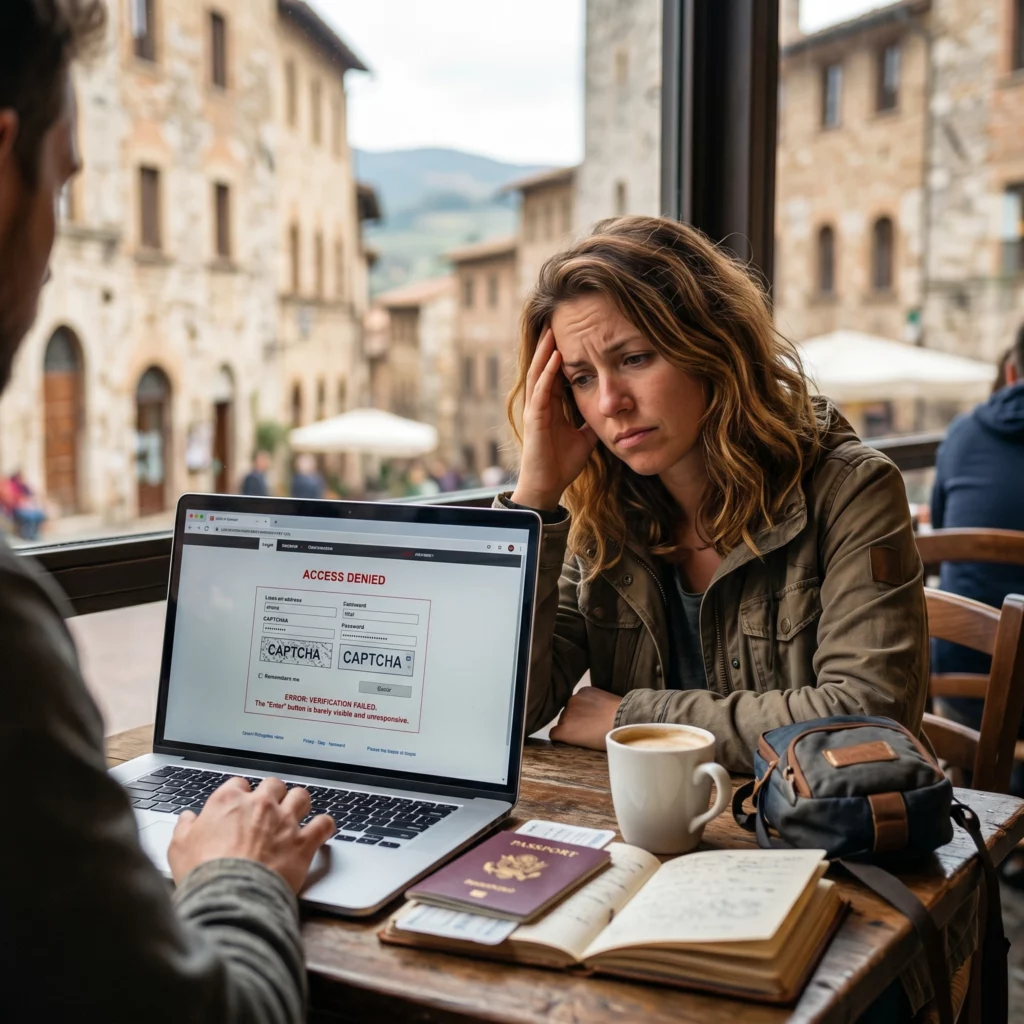
When I Realised My Website Was Too Difficult to Enter
One of the more surprising lessons from building a second website came several months into the project.
At first, I thought the main challenge would simply be publishing enough content and staying consistent.
But over time, I realised something else was happening.
The site had gradually become harder for new readers to enter.
Building the “Feel” of the Site
When I first started The Layered Traveller, a big part of the goal was creating a website with a strong sense of identity.
I wanted the site to feel reflective, layered, and thoughtful.
Rather than publishing generic travel content, I focused heavily on atmosphere, cultural context, and trying to create a distinct tone across the articles and Pinterest content.
In many ways, this helped shape the personality of the site.
But eventually I realised something important.
I Built a Nice House, But Forgot the Doors and Windows
At some point during the process, I realised I had built something that looked interesting from the inside — but may not have been easy for new readers to enter.
That became the metaphor I kept coming back to:
I had built a nice house, but forgotten to build and open the windows and doors.
The content itself wasn’t necessarily wrong.
The problem was accessibility.
Many of the article ideas, Pinterest pins, and hooks had become too broad, reflective, or abstract for people quickly scrolling through platforms like Pinterest or social media.
I was assuming readers already understood the deeper idea behind the content.
But most people encountering the site for the first time had no reason to immediately understand what I meant.
Drifting Away From the Original Blueprint
Part of the reason this happened is that I had gradually drifted away from the original content blueprint that inspired the site.
The original framework relied heavily on:
• listicle-style content
• beginner-friendly topics
• highly accessible entry points
• clear curiosity and search intent
Over time, I had moved further toward building identity and atmosphere, while unintentionally weakening the discoverability side of the strategy.
In hindsight, this probably happened because I enjoyed building the deeper, more reflective side of the site.
But identity alone doesn’t necessarily help people discover your content in the first place.
Realising Discoverability Matters
This shift in thinking changed how I started approaching almost everything on the site.
Not just articles.
But also:
• Pinterest pins
• social media captions
• video hooks
• article titles
• content structure
I started thinking much more carefully about how a complete stranger would experience the content for the first time.
Could they immediately understand:
• what the article was about?
• why it might help them?
• why they should click?
That doesn’t mean abandoning depth or personality.
It simply means making the content easier to enter.
The Early Signs Were Encouraging
After making these adjustments, I started noticing small but positive changes.
Pinterest impressions began climbing again after a period of steady decline.
Google also started indexing the site for a wider range of actual search queries rather than just a small number of pages.
It’s still early, and there’s plenty more to learn.
But the experience reinforced something important:
Creating thoughtful content matters.
But discoverability matters too.
What Comes Next
Once I realised the site needed clearer entry points, the next step was figuring out how to adjust the strategy without losing the identity that made the project feel meaningful in the first place.
That meant returning to parts of the original blueprint — particularly listicle-style and beginner-friendly content — while still trying to preserve the layered approach behind the site.
Next article:
→ Returning to the Blueprint (Without Losing the Soul of the Site)