
If you’re just getting into online business, it’s super common to wonder about blogging vs affiliate marketing. Plenty of beginners (myself included back in the day) get tripped up on how these two things actually fit together.
I remember thinking, “Should I become a blogger or do affiliate marketing?”
Not realizing the two aren’t totally separate. This article is here to break down what each one really means, how they’re different, and how you can use them side by side for the best results.
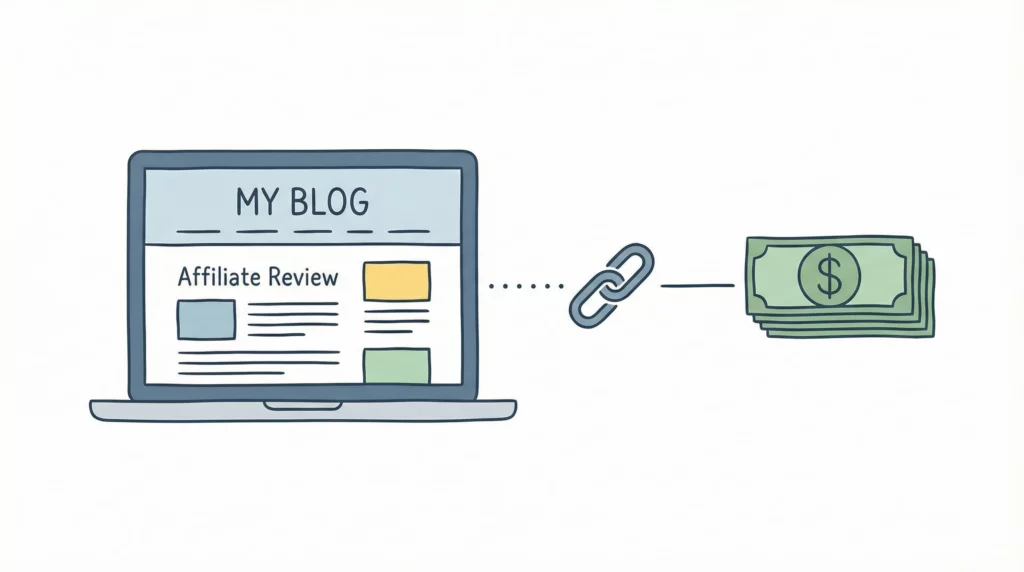
Clearing Up the Confusion: Blogging and Affiliate Marketing are Not Opposites
A lot of people jump into online business believing you have to pick sides, either you’re a “blogger” or you’re an “affiliate marketer.”
That’s not really how it works.
Blogging is more like building a home online, a spot where you post helpful guides, share stories, and build trust with readers. Affiliate marketing, on the other hand, is a way to make money by recommending products or services. Usually, you do this on that very same blog. They work great together but aren’t required to run together.
Neither option is ‘easy’ in the instant-results sense — but both are learnable.
What is Blogging, Really?
Blogging is making regular posts on a website. These posts could be anything from personal stories to how-to guides or industry news. It’s your space online to express opinions, educate, entertain, or help others.
Over time, as you build up more content, you form a closer relationship with your readers. A blog might earn money through ads, online courses, sponsored posts, or—yep—affiliate marketing.
What Does Affiliate Marketing Mean?
Affiliate marketing means you promote someone else’s product through your unique referral link. If your reader clicks the link and makes a purchase, you get a commission. No need to store inventory or make your own product; you’re just the connector.
Common places to add affiliate links include blogs, YouTube descriptions, social media posts, and even email newsletters. You only earn if your referral leads to a sale or sign-up (depending on the deal).
How Blogging and Affiliate Marketing Work Together
So here’s the thing: blogging and affiliate marketing don’t compete, they team up. You write articles that answer questions, solve problems, or provide value. Within those articles, you naturally recommend tools or services, using affiliate links where it makes sense. For example, if you have a baking blog and you love a certain mixer, you might write a review about it and include your affiliate link. When readers trust your opinion, they’re way more likely to click those links and buy.
Breaking Down the Differences: Blogging vs Affiliate Marketing
Let’s get practical and compare both routes in terms of setup, learning curve, how quickly you can see income, and even the kind of stress involved.
Getting Started: Setup Time
- Blogging: You’ll need a domain name, website hosting, and a platform (like WordPress). Even basic setup can take a few hours to get going, but you don’t need fancy tech skills.
- Affiliate Marketing Only: It’s possible to do this without running your own blog; think: using social media, TikTok, or YouTube. But you still need a way to reach people and provide useful info. Most people do best adding affiliate marketing into an existing blog or platform.
Learning Curve
- Blogging: Writing content, learning SEO (search engine optimization), picking topics, and setting up a website all come with a bit of a learning curve. It can feel slow in the beginning but you definitely pick it up as you go.
- Affiliate Marketing: You’ll need to research products, write reviews or guides, and learn what makes people trust your recommendations. Understanding your audience and their needs is just as important as the technical stuff.
Time Until You See Income
- Blogging: Most blogs take a few months (sometimes longer) to attract visitors and start seeing ad or affiliate income. It requires some patience and consistency early on.
- Affiliate Marketing: If you already have an audience (think: a big Instagram page), you might see sales sooner. If you’re starting from scratch, expect things to snowball slowly; steady effort pays off over time.
With both options taking time, it is worth checking out the Slow Growth Philosophy behind The Gentle Earner.
Stress Levels
- Blogging: Keeping up with regular content, learning about Google updates, and handling tech challenges can feel overwhelming some days. But you’re mostly in control and can work at your own pace.
- Affiliate Marketing: Finding honest, relevant products and working with affiliate programs isn’t always simple. Sometimes links stop working or program rules change. Balancing direct sales language with authenticity is really important to avoid burning out or losing reader trust.
Which Feels Easier: Emotionally vs. Technically
If you love writing, blogging feels more natural, even if you don’t have products to sell yet. The technical setup can seem tricky but there’s lots of free help online. Affiliate marketing might sound easy because you’re not making your own stuff, but building an audience who actually clicks your links relies on trust. For most people (myself included), it’s way easier emotionally to recommend things you truly use and like, and it doesn’t feel as salesy when wrapped in a genuine blog post.
What’s the Best Combo for Beginners and Why?
Combining blogging with affiliate marketing tends to work better than picking one over the other. By building up a blog, you create a base for organic traffic (people finding you through search engines), which keeps growing as you add more helpful posts. As your blog gains visitors, mixing in personal recommendations and honest affiliate reviews makes it easier to earn passively over time. Even if you start slow, these two methods work together and can actually give each other a boost.
Simple Steps to Get Started as a Beginner
- Pick a Topic You Care About: Readers want authenticity. Choose something you’d enjoy writing about for months, even if it’s just a hobby at first.
- Set Up a Basic Blog: Use an easy platform like WordPress and don’t overthink the design.
- Create Useful Content: Answer common questions, share personal experiences, and focus on helping people out.
- Research Affiliate Programs: Sign up for programs related to your niche (like Amazon Associates or ShareASale). Only recommend products or services you believe in.
- Add Affiliate Links Gently: Mix links into useful posts—reviews, guides, side by side comparisons—where it makes sense. Keep it honest and transparent.
Gentle Recommendations for Beginners Who Want a Low Pressure Start
For anyone worried about taking on too much, the most straightforward way is to start as a blogger first and ease into affiliate marketing as you go. That way, you don’t feel pressured to sell. Your blog’s main job is to help people, and earning from affiliate links is just a bonus for good work. Over time, you’ll find your voice and comfort zone and spot more natural opportunities to recommend useful products.
Frequently Asked Questions: Common Things New Bloggers and Affiliate Marketers Want to Know
What’s a fast way to start affiliate marketing as a total beginner?
While it’s tempting to jump straight into sharing links, building a basic blog or platform where you can share stories and reviews feels more sustainable. Focus on quality posts and building an audience first.
Can I do affiliate marketing without a blog?
Yes. You could use social media, YouTube, or email, but owning a website gives you much more control over your content and income.
Will having both a blog and affiliate links annoy my readers?
If it’s helpful, honest, and clear you might earn a commission, most readers appreciate recommendations. Overdoing it or pushing random products, though, is a turnoff.
Final Thoughts
Blogging and affiliate marketing don’t have to be confusing or mutually exclusive. Blogging gives you the stage, and affiliate marketing hands you a way to earn while helping your audience. Blending both takes some patience but sets you up for long-term growth and income. Keep things genuine, stay consistent, and you’ll find your groove over time. If you ever feel lost, check out communities and forums for bloggers and affiliate marketers. You can pick up tips and hang out with others who are learning alongside you. Remember, every expert was once a beginner – stick with it, give yourself some space to learn, and you’ll see positive results down the road.
If you’re unsure where to begin, my Start Here page walks through a low-pressure first step.