
If you’ve been feeling anxious about slow progress in your online business, you’re definitely not alone.
I know that tense, restless feeling — social feeds full of overnight success stories, and the quiet worry that you’re somehow falling behind.
All those “quick wins” make it seem like everyone else has it figured out in six months or less. But here’s the truth most people won’t say: slow progress online isn’t a problem.
In fact, it’s often one of the clearest signs that things are going right — especially if you’re building something real and sustainable.
TL;DR
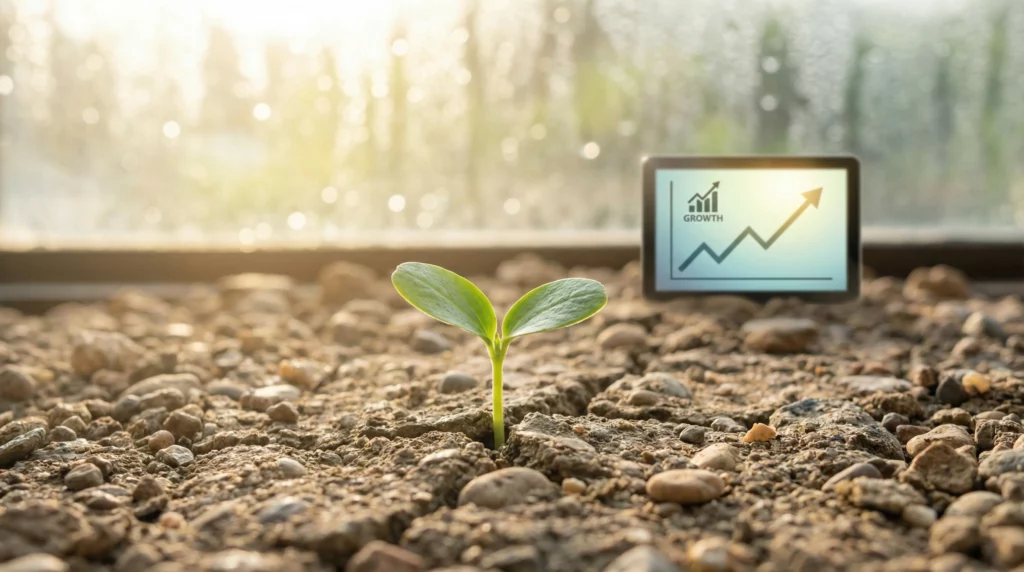
Slow progress online isn’t a sign you’re failing — it’s often proof you’re building something sustainable.
Steady growth allows skills, systems, and confidence to develop naturally, reducing burnout and creating long-term stability instead of short-lived wins.
Why Fast Online Wins Usually Don’t Last
Everyone’s heard about the entrepreneur who made six figures their first month, or the blog that exploded with millions of visits after a single viral post. Those stories get clicks, but they leave out everything that comes after. What people rarely talk about is how hard it is to keep that momentum. Fast wins might feel exciting, but they often happen before all the puzzle pieces are set in place. Without strong foundations, it’s common to end up burning out fast or seeing results fizzle after one lucky run.
Quick wins can actually hide weak points, like a gap in your skills, zero fallback strategies, or an audience that doesn’t stick around. More often than not, the “overnight” part just means skipping important steps. Chasing after fast results shifts focus from building real value to just chasing the next spike. Steady, slow growth gives you space to build systems and skills, and sort out what’s actually working versus what’s just hype.
Fast results often come before the foundations are ready — and that’s why they’re so fragile.
What Slow Progress Online Really Means
Seeing slow movement, days or weeks where it feels like very little is happening, can be pretty discouraging. But that slow motion is exactly how most sustainable businesses are built. It’s during these stretches that you work on stacking skills, tweaking systems, and figuring out how to do things better each time. This kind of progress isn’t always easy to spot from the outside, but it’s where most of your long-term wins start to take shape.
Stacking Skills, Brick by Brick
When you’re not speeding through the basics, you end up picking up skills in marketing, content creation, ecommerce, or whatever software pops up along the way.
Every single “fail,” confusing week, and detour teaches you something new. I’ve found that slowly learning how to handle email marketing, troubleshoot website issues, or build a social community leads to quiet confidence that doesn’t break once things get busy. That’s the kind of foundation you can grow with for years.
Building Systems, Not Just Chasing Results
Fast wins make it tempting to skip making strong systems and detailed workflows. But those slow months are when you figure out better habits. You find the right way to batch content, ways to automate admin tasks, and how to handle the emotional stuff when things get rocky. T
aking your time in the slow lane means your business becomes less stressful over time, and you’re less likely to drop the ball when things pick up.
Lower Burnout Risk (and More Enjoyable Days)
I’ve noticed that the slower I go, the more room there is for breaks, proper sleep, and actual fun. Speeding up your online business often means long nights and a rushed launch.
But when you move at a slow, steady pace, you’re less likely to hate your own project by month three. Instead, you get space to celebrate little wins, and actually enjoy building your thing from the ground up.
Over time, this approach lets you spot patterns, see what techniques truly pay off, and notice where you really enjoy investing your energy. This reflection period gives you a clearer idea of what works best for you and your audience.
It also sharpens your ability to handle inevitable slowdowns or tough seasons without panicking or burning out. You become better equipped to manage unexpected obstacles, making the overall ride smoother and more satisfying.
Signs You’re Actually On the Right Path
If you’re dealing with slow progress online, it’s easy to assume you’re off-course. But there are plenty of signals that show you’re moving in the right direction. Here are a few of the most reassuring signs I keep an eye out for:
- Consistent tiny wins: Occasional feedback, returning visitors, or small subscriber growth means your message is landing.
- Improved problem-solving: Tasks that once felt overwhelming now feel manageable.
- Smarter questions: Your questions become more specific and strategic over time.
- Better boundaries: You say no to distractions and junk advice.
- Longer-term thinking: You plan months ahead instead of chasing the next tactic.
The Comparison Trap (and Why It Steals Your Momentum)
Scrolling past endless launch announcements or TikTok “before and after” posts can send you spiraling. I’ve learned (the hard way) that comparing timelines is the quickest way to lose motivation and clarity. What looks like someone’s overnight win could be a whole decade of quiet work behind the scenes.
Your best bet? Focus on your own numbers, your own routines, and ignore the noise from people on totally different tracks.
Building at your own pace, and learning to value your progress, is the secret to long-term fulfillment and actual achievement instead of a short-lived ego boost. If you need extra encouragement, try muting or unfollowing sources that constantly trigger comparison anxiety so you can focus on your own adventure.
How to Measure Progress That Actually Matters
It’s pretty easy to obsess over surface-level stats, like social follower counts or “likes.” But they rarely show your true progress. I track milestones that are tied to actual learning, real relationships, or something of substance getting built. Here are a few ideas I use to measure if things are moving forward even when they look slow:
- Repeat visitors or returning customers
- Finished projects
- New skills gained
- Enjoyment and sustainability
- Meaningful connections
For me, tracking these deeper signals calms the anxiety about speed and puts the focus back on actually building something worthwhile. Slow progress in online business is almost always the path to real stability.
Slow Progress Is a Strength — Not a Setback
Moving slowly but steadily through your online business adventure comes with way more hidden benefits than drawbacks. There’s space for growth, room to build strong relationships, and a lot less heartache from burnouts or bad investments. This pace gives you a chance to actually enjoy learning, make improvements, and shrug off the hustle that leads so many people to give up after their first roadblock. If your growth feels slow, it’s probably because you’re doing the deep work that others are skipping.
I find regular checkins, honest chats with others building at a similar pace, and tracking the little wins are all super helpful for keeping spirits high when things don’t seem massive. It’s actually okay, no, it’s good, if this whole thing takes a while. That’s how most solid ventures are built, and I wouldn’t trade that process for any viral hit out there. Remember, each small step forward adds up over time and sets you up for lasting success. Keep going, and enjoy the adventure and growth you’re experiencing—slow progress really is a strength.
At The Gentle Earner, we believe slow growth isn’t something to fix — it’s something to protect.
Frequently Asked Questions
Is slow progress online normal?
Yes. Most legitimate online businesses grow slowly, especially in the beginning. Learning, experimentation, and system-building take time.
Does slow growth mean I’m doing something wrong?
Not necessarily. Slow progress often means you’re focusing on skill-building and foundations rather than chasing shortcuts.
Why do fast online wins usually fail?
Fast wins often skip important steps like audience trust, systems, and sustainable workflows, making results harder to maintain.
How can I tell if I’m on the right path?
Signs include small but consistent improvements, better problem-solving, clearer focus, and increased confidence over time.